Rhodium jewelry stands out for its dazzling white shine and lasting brilliance that many fine pieces display. While pure rhodium jewelry is extremely rare, most rhodium jewelry actually refers to rhodium-plated items that combine the metal’s protective qualities with popular base materials like white gold or silver. This comprehensive guide explains what rhodium is, how it’s used in the jewelry industry, its pros and cons, suitable base metals, key comparisons, and care tips.
What Is Rhodium?
Rhodium is a rare, silvery-white precious metal belonging to the platinum group. It boasts exceptional hardness, high reflectivity, and strong resistance to corrosion and tarnish. Discovered in 1803, rhodium ranks among the scarcest and most valuable metals on Earth. According to PubChem, rhodium is a hard, ductile, malleable metal with a high melting point that makes it ideal for protective coatings.
In its pure form, rhodium is too brittle and difficult to fabricate into jewelry because of its high melting point and low malleability. Pure rhodium jewelry therefore, remains exceptionally rare and is almost always custom-designed by skilled artisans. At Golden Hands, we specialize in such custom design work for clients seeking unique, one-of-a-kind pieces.
Beyond jewelry, rhodium sees heavy industrial use in catalytic converters for vehicles and high-temperature applications due to its chemical stability (source: USGS Platinum-Group Metals).
What Is Rhodium Plating and How Does It Work?
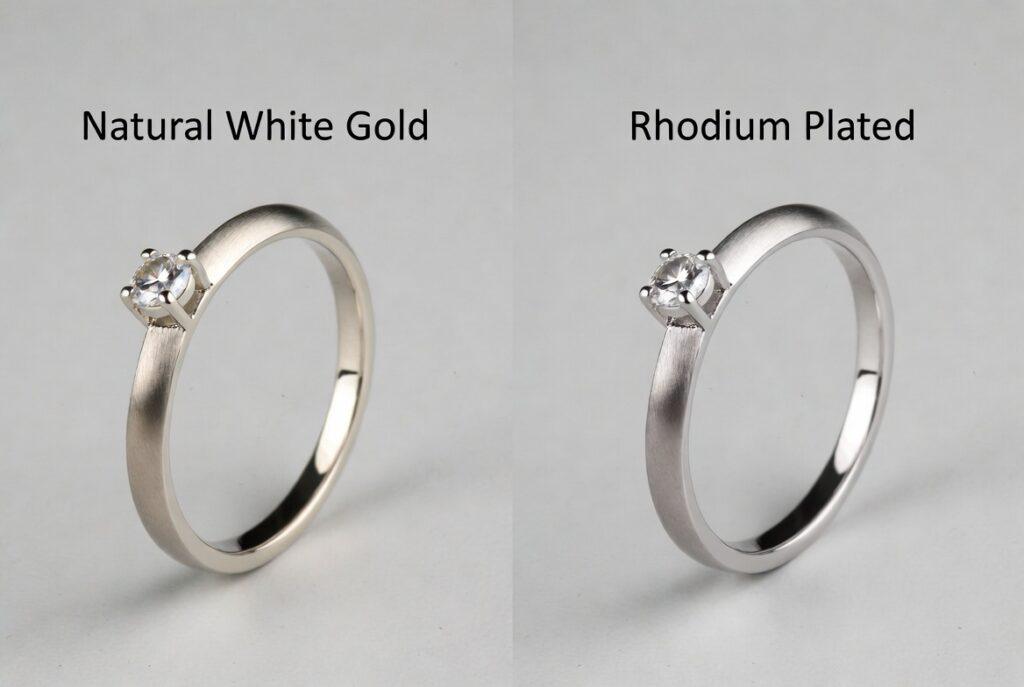
Jewelers primarily apply rhodium through electroplating – a thin layer (typically 0.75 to 2.0 microns thick) deposited onto base metals for a bright white finish. This technique dates back to the 1930s and quickly became standard for enhancing white gold and silver. The process involves thorough cleaning of the piece, immersion in a rhodium solution, and the use of electric current to bond the layer securely.
Jewelers rhodium plate pieces to achieve several goals:
- Create a bright, platinum-like white color
- Boost shine and reflectivity (rhodium reflects up to 80% of light)
- Add a protective barrier against scratches and tarnish
- Improve hypoallergenic properties for sensitive skin
The result? Jewelry that looks pristine longer than unplated alternatives.
Pros and Cons of Rhodium Jewelry
Rhodium jewelry delivers stunning aesthetics but requires realistic expectations about maintenance.
Here’s a clear comparison:
| Aspect | Pros | Cons |
|---|---|---|
| Appearance | Brilliant mirror-like shine | Can look too perfect or stainless-steel-like to some |
| Durability | Highly scratch-resistant coating | Plating eventually wears off (6 months to several years depending on wear) |
| Tarnish Resistance | Excellent barrier against corrosion | Base metal may show through as plating thins |
| Skin Safety | Hypoallergenic (nickel-free barrier) | Not an issue unless plating wears completely |
| Cost | Enhances lower-cost base metals | Re-plating adds ongoing expense |
| Maintenance | Easy to clean when new | Requires professional re-plating over time |
Which Base Materials Can Be Rhodium Plated?
Rhodium plating works beautifully on several metals, with compatibility depending on the electroplating process. Common options include:
- White gold — Most popular choice; rhodium hides the natural yellowish tint of the alloy and delivers the bright white consumers expect.
- Sterling silver — Prevents rapid tarnishing and adds premium shine.
- Platinum — Occasionally plated for extra whiteness and surface protection (though platinum is naturally white and often left unplated).
- Palladium — Similar to platinum; rhodium enhances its already white tone.
- Brass or copper alloys — Used in costume or fashion jewelry (with proper undercoats for adhesion; not ideal for fine jewelry).
White gold and sterling silver remain the top choices for rhodium-plated jewelry because they balance beauty, cost, and durability. Plating yellow gold or rose gold is possible but less recommended due to visible contrast as the coating wears.
Caring for Rhodium-Plated Jewelry
To extend the life of your rhodium finish:
- Avoid harsh chemicals, perfumes, lotions, chlorine, and abrasive cleaners.
- Remove jewelry before swimming, exercising, or household cleaning.
- Store pieces separately in soft pouches to prevent scratching.
- Clean gently with mild soap, warm water, and a soft cloth.
When the shine fades, a yellowish tint appears, or base metal shows through, professional re-plating restores the original brilliance. Daily-wear pieces typically need attention every 6-18 months, while occasional pieces can last years longer.
Frequently Asked Questions About Rhodium Jewelry
How long does rhodium plating last?
Typically 6 months to 2 years for daily wear; less-frequently worn pieces can last up to 10 years depending on thickness and care.
Is rhodium plating worth the extra cost?
For most people seeking low-maintenance brilliance and a platinum-like look, yes - especially on silver chains or white gold rings.
Can you remove rhodium plating?
Yes, a jeweler can polish or chemically strip it, though this is rarely recommended as it exposes the base metal.
Conclusion
Rhodium jewelry continues to captivate with its brilliant white finish and protective qualities, making it a smart choice for both everyday wear and special occasions. Whether you prefer rhodium-plated white gold, silver, or a fully custom pure rhodium design, understanding its properties helps you select pieces that match your lifestyle and style.